
In modern poker strategy, improving decision-making requires a strong understanding of both balanced and adaptive approaches. Players who learn to combine logic with flexibility often gain a long-term edge at the table. One widely discussed concept in strategic study environments is gto wizard, which helps players understand how equilibrium-based thinking can shape smarter gameplay decisions. By integrating structured strategy with real-time adjustments, players can build a more reliable foundation for consistent performance. The key is not only knowing what to do in theory but also applying it in dynamic situations where opponents behave unpredictably. As skill levels rise, those who can shift between balanced play and exploitative adjustments tend to achieve stronger results and more confident decision-making across different game formats.
Balanced Strategy in Poker Gameplay
Balanced poker strategy focuses on creating ranges that are difficult for opponents to exploit. It involves mixing strong and weak hands in a way that keeps decisions unpredictable while still mathematically sound. Players who adopt this approach aim to avoid becoming too readable, ensuring that their betting patterns remain consistent across different situations. A balanced style also emphasizes position awareness, pot control, and structured betting frequencies. By maintaining equilibrium in decisions, players reduce the chances of being countered by aggressive opponents. Key elements include:
- Maintaining consistent bet sizing across similar situations
- Mixing bluffing and value betting frequencies
- Avoiding overly predictable patterns
- Protecting key ranges in different positions
Over time, balanced play builds a strong theoretical foundation that supports long-term success in competitive environments.
Exploitative Techniques for Advanced Play
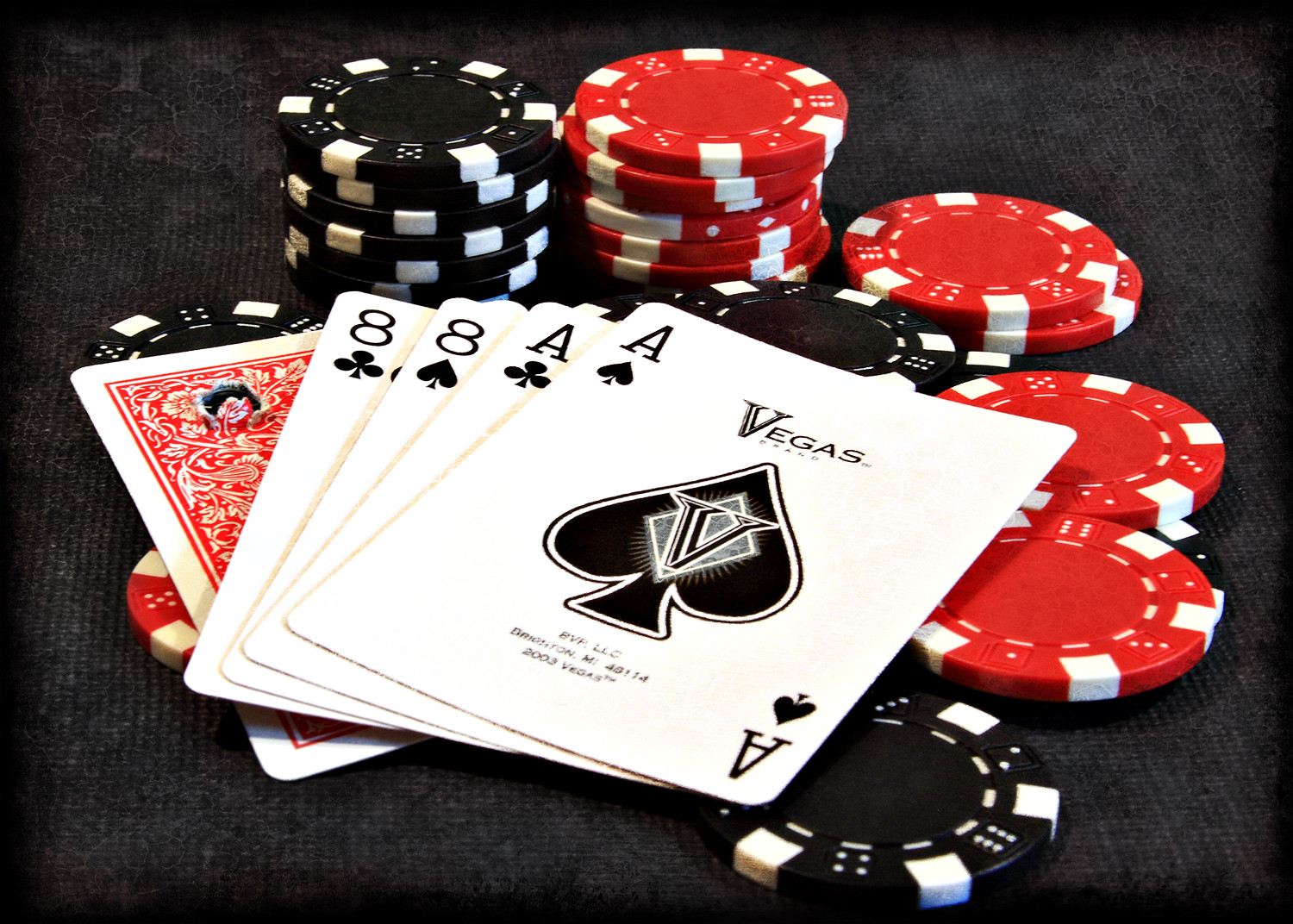
Exploitative poker techniques focus on adjusting strategy based on opponent tendencies rather than strict equilibrium rules. This approach allows players to take advantage of predictable mistakes made by less experienced or overly aggressive opponents. It requires careful observation and quick adaptation to changing table dynamics in order to maximize profitability. Successful exploitative play depends on recognizing patterns such as frequent bluffing, weak call tendencies, or overly tight ranges. Players often adjust bet sizes, frequency, and aggression levels to target specific weaknesses in their opponent’s strategies. This flexibility helps create more profitable opportunities in both short-term and long-term gameplay scenarios.
Practical Application and Strategic Growth
Combining balanced and exploitative strategies allows poker players to adapt effectively to any table environment while maintaining long-term stability. The key to success knows when to shift between structured play and adaptive decision-making based on real-time observations.
- Study opponent behavior patterns carefully before making major decisions
- Use balanced ranges to stay unpredictable in early stages
- Switch to exploitative adjustments when clear weaknesses appear
- Maintain emotional control for consistent performance under pressure
With practice and awareness of both strategic styles players can significantly improve their overall poker performance and decision-making confidence. Consistent review and thoughtful practice further accelerate skill development over time for continuous improvement